Traversing High Passes: A Guide to Trekking the Pale Peaks of Alta Via
Walking the ancient ridgeways of the Italian Dolomites from high altitude rifugios to tranquil larch forests.
Article Directory
Long before they were declared a UNESCO World Heritage site, the Dolomites were regarded with quiet awe by local Ladin and Tyrolean communities. Emerging abruptly from green meadows like jagged cathedrals of pale dolomite mineral, these mountains evoke a primal, untamed grandeur that few landscapes on earth can match.
1. Coral Reefs Turned to Pale Stone
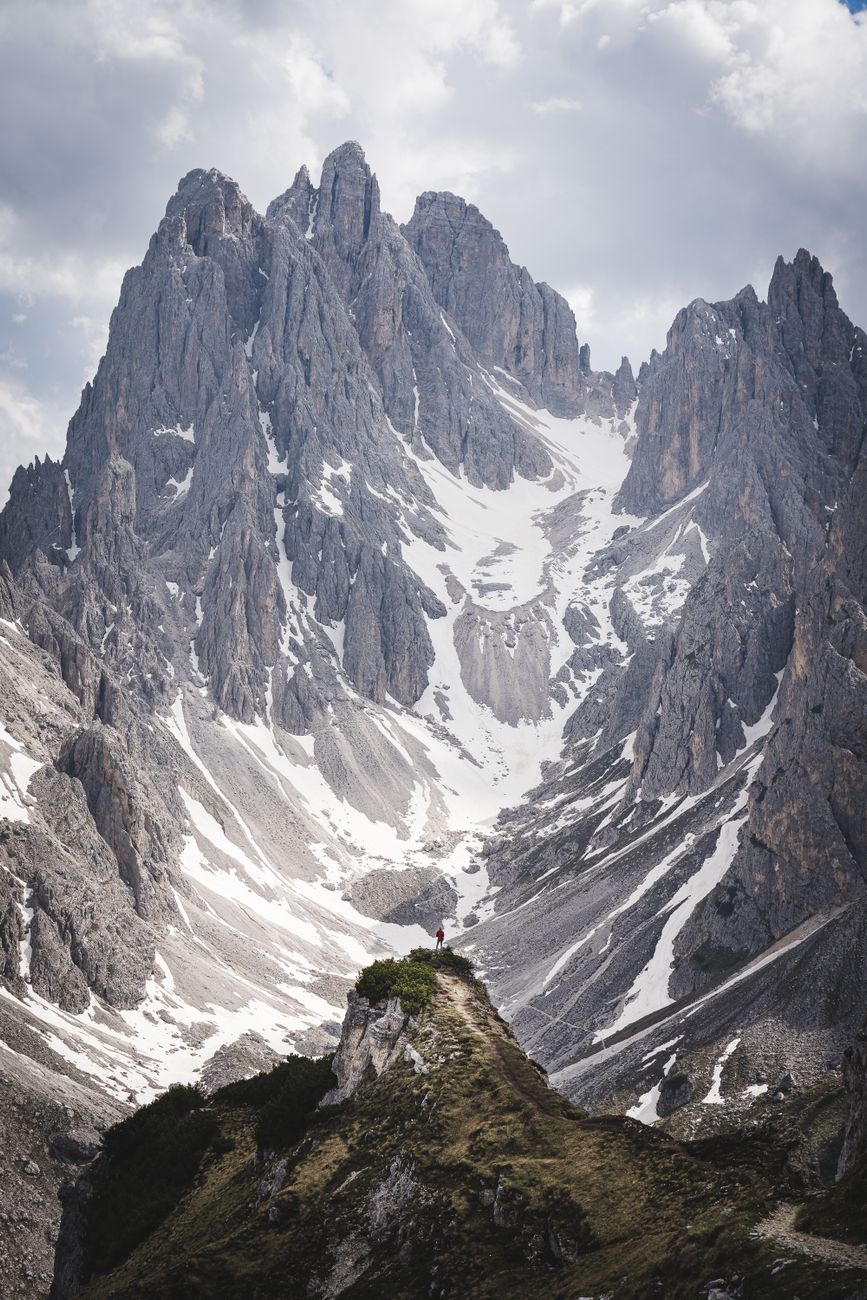
Two hundred and fifty million years ago, this entire mountain range was a tropical lagoon formed by prehistoric coral atolls. The fossilized coral has weathered into sheer pinnacles, towers, and vast scree fields that blush in pink and orange hues during sunset—a phenomenon known locally as Enrosadira.
“When evening light floods the Croda da Lago, the sheer stone faces radiate warm crimson before cooling into deep violet.”
2. The Culture of High-Altitude Shelters
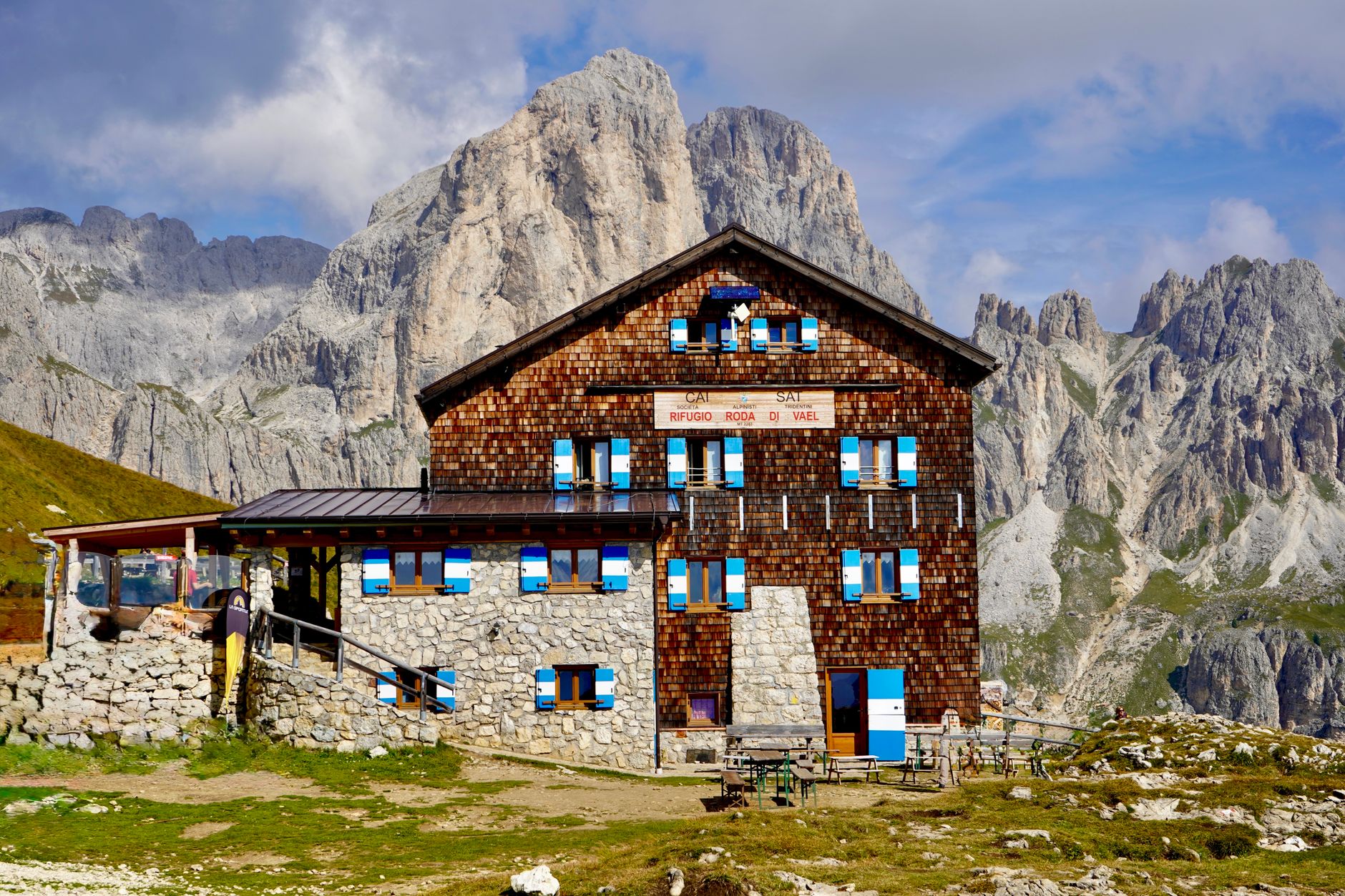
Hiking the Alta Via means you do not descend into valley towns at dusk. Instead, you sleep above the clouds in historic mountain rifugios. These are not spartan survival shacks; they are warm bastions of South Tyrolean and Venetian mountain hospitality where wood-burning stoves heat communal dining halls filled with bowls of steaming canederli (bread dumplings) and polenta with wild porcini mushrooms.
3. Route Logistics and Gear Discipline
The classic Alta Via 1 spans roughly 120 kilometers from Lago di Braies down to Belluno. Undertaking this traverse demands respect for rapidly shifting mountain weather. Early mornings typically bring crystal clarity, while afternoon electrical storms can roll across high passes with sudden ferocity. Packing light with high-grade breathable layers and durable trail boots is paramount.
4. Respecting Fragile Alpine Meadows
High mountain flora like edelweiss and alpine gentians require decades to establish root systems in shallow soil. Hikers are implored to stay strictly on marked paths and carry every scrap of personal refuse back down to managed trailheads.