The Rhythm of Japanese Ryokans: Architecture, Tea, and Cedar Silence
How an overnight stay in Kyoto's foothills unmasks a profound relationship with craftsmanship, shadow, and impermanence.
Article Directory
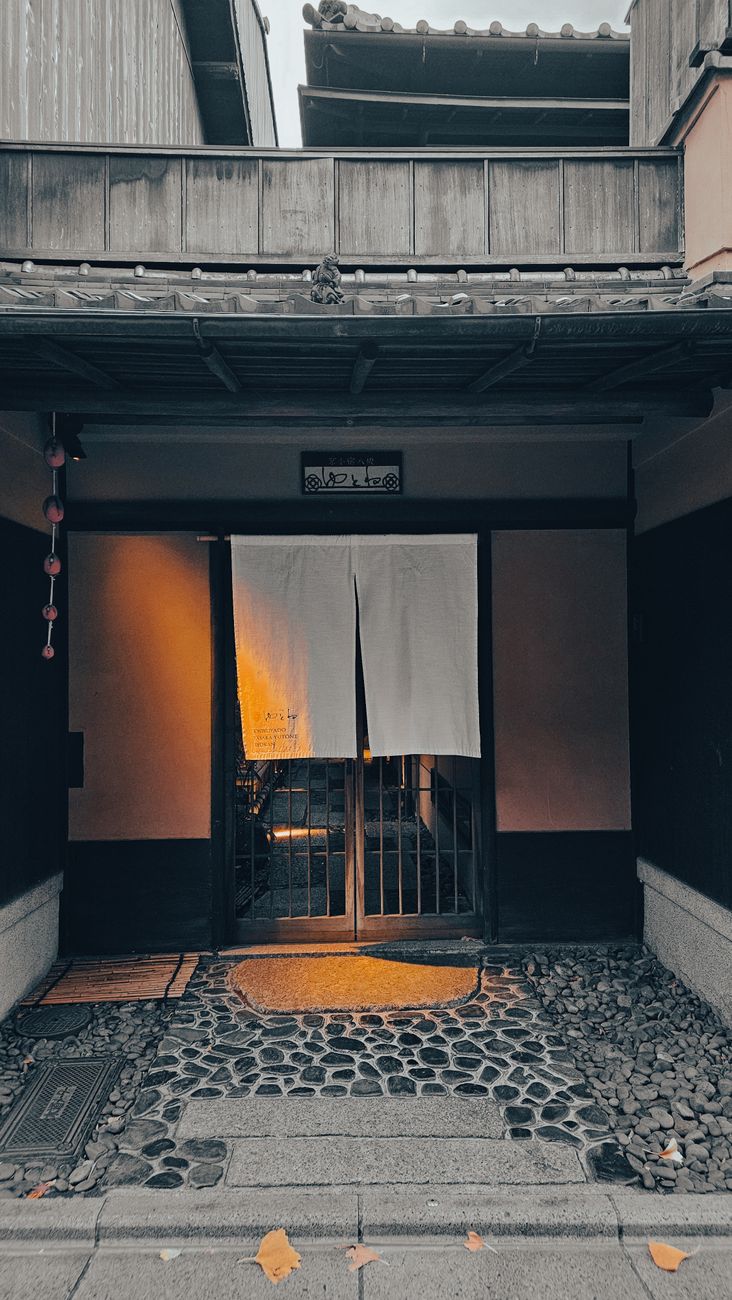
To cross the wooden threshold of a centuries-old ryokan in northern Kyoto is to step outside mechanical modern time. You are asked to surrender your shoes at the genkan, exchanging hard leather soles for soft cotton slippers, and in that solitary gesture, the hectic momentum of modern transit gently dissolves into quiet anticipation.
1. The Threshold of Departure: Removing the Street
Here, luxury is not measured in gilded chandeliers or ostentatious proportions, but in the resonant grain of untreated Hinoki cypress, the whisper of sliding shoji screens, and the deliberate choreography of the okami (innkeeper). The ryokan is an organic instrument designed to tune the senses toward subtle natural phenomena: rain drops brushing bamboo culms, steam curling from an outdoor granite tub, and the aromatic sweetness of dried rush tatami.
“In Japanese domestic architecture, shadows are not an absence of illumination; they are sculpted spaces of contemplation and repose.”
2. Cedar, Washi, and Softened Daybreak
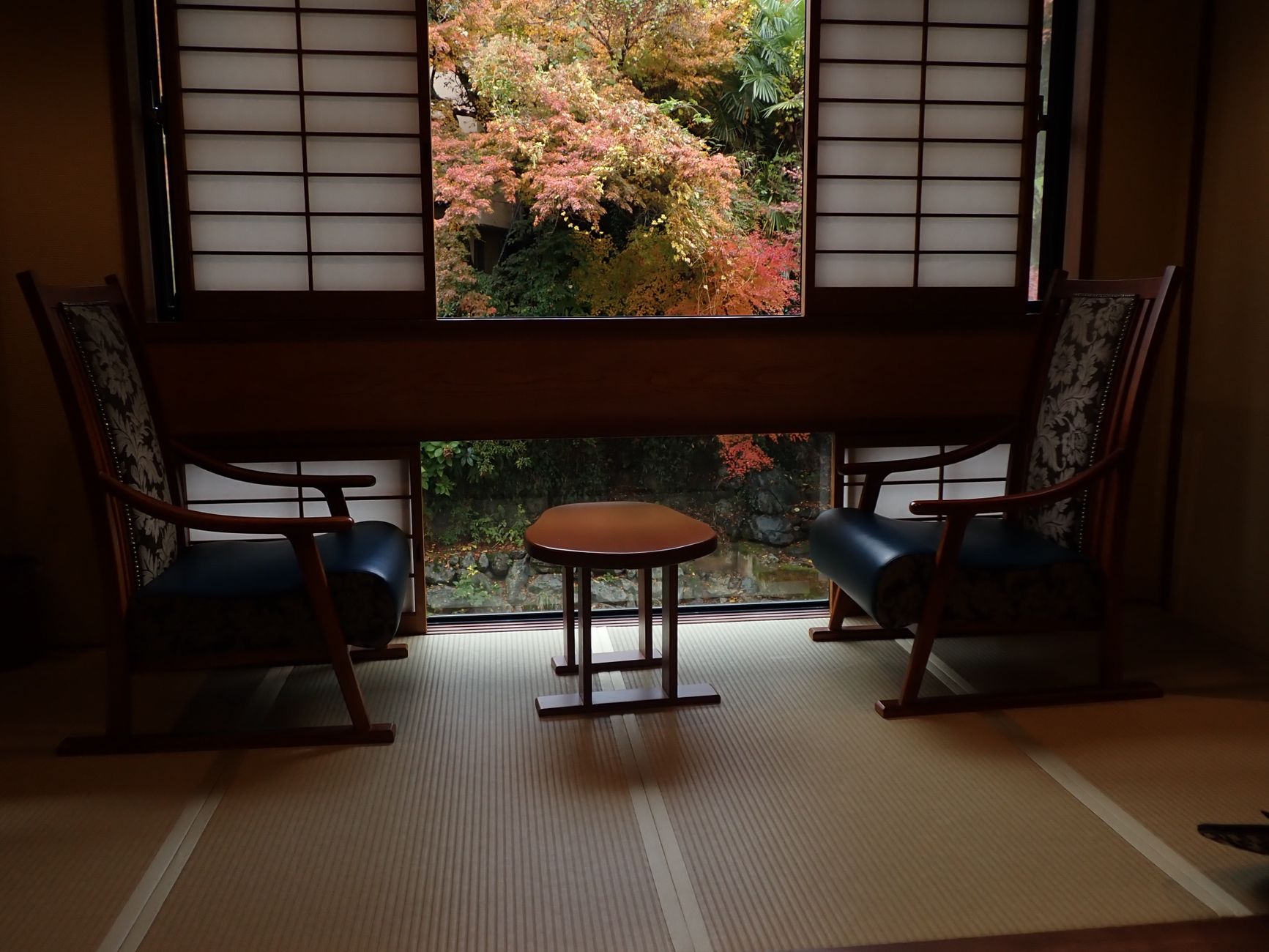
The rooms present an absence of clutter that invites mental clarity. There is a low table, two zaisu chairs, and a tokonoma—an alcove displaying a solitary hanging scroll and a seasonal ikebana arrangement that reflects the exact botanical state of the forest outside. Nothing is extraneous; every wooden joinery junction speaks of decades of quiet master carpentry.
3. Kaiseki as a Temporal Canvas
In the evening, dinner arrives course by course upon lacquered trays. Kaiseki is far more than a meal; it is a seasonal landscape distilled into small vessels of earthenware and ceramic. Matsutake mushrooms simmered in delicate dashi, sweet sea bream cured in kelp, and tender persimmon served with sesame puree reflect the micro-season known in classical almanacs as the time when cold dew gathers.
4. Ethical Travel Reflections
For visitors from abroad, patronizing these independent family-owned ryokans sustains a delicate heritage ecosystem. It supports local ceramic kilns, organic mountain farms, and traditional timber craftsmen who keep traditional Japan alive. When you plan your stay, allow at least two full nights to settle into the silence.