End of the Continent: Navigating Wild Wind and Water Across Southern Patagonia
Field perspectives from Puerto Natales to glacier tongue margins where subpolar weather dictates every movement.
Article Directory
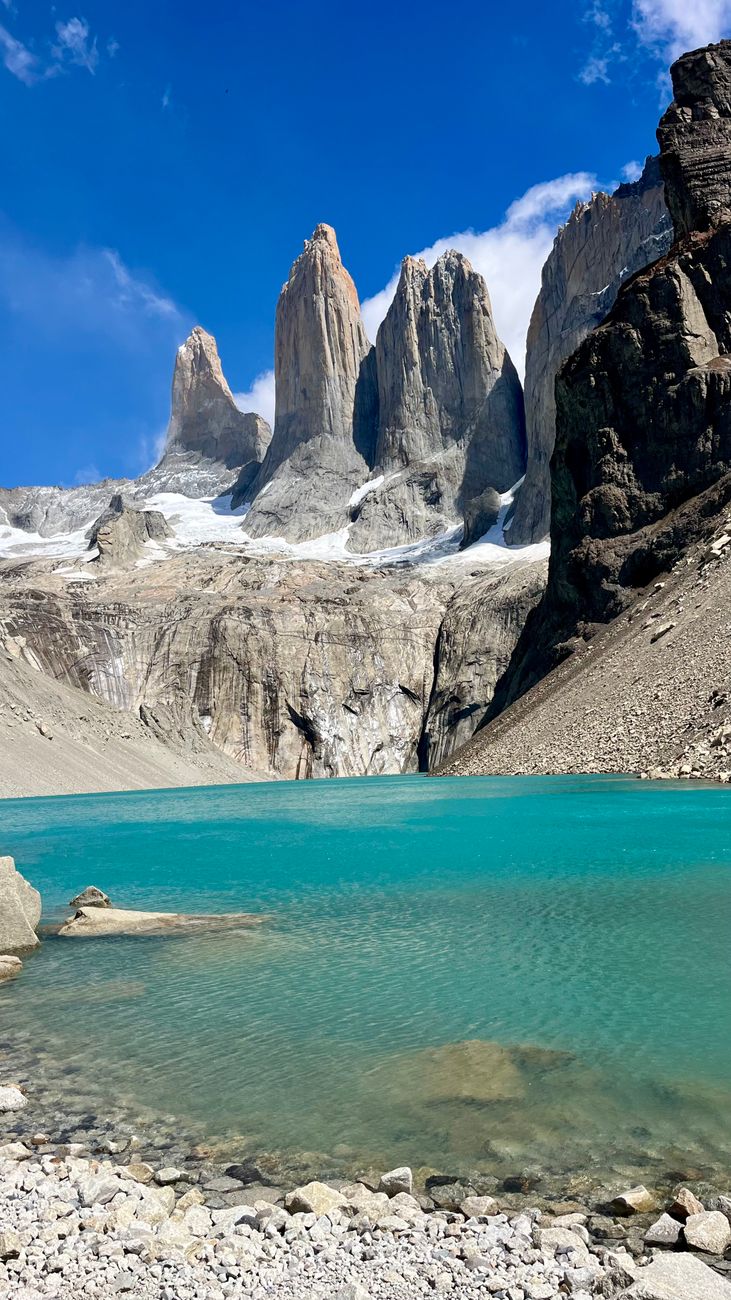
There is a stark, bracing honesty to Patagonia. In this vast territory at the tapered southern end of the South American continent, human presence feels small and fleeting. The vast southern Patagonian ice field feeds massive tongues of ancient ice that crash into milky turquoise fjords, while the jagged granite horns of Torres del Paine pierce the roaring subpolar sky.
1. The Ever-Present Roar of the Westerlies
Here, the wind is not a meteorological detail; it is a primary character in every journey. Sweeping unimpeded across thousands of miles of open Pacific Ocean, the westerlies slam into the spine of the Andes with hurricane intensity, sculpting lenga beech trees into dramatic horizontal postures and sending low storm clouds racing across the pampa.
“To walk in Patagonia is to learn the humility of letting the elements dictate your pace rather than your calendar.”
2. At the Margin of the Southern Ice Field
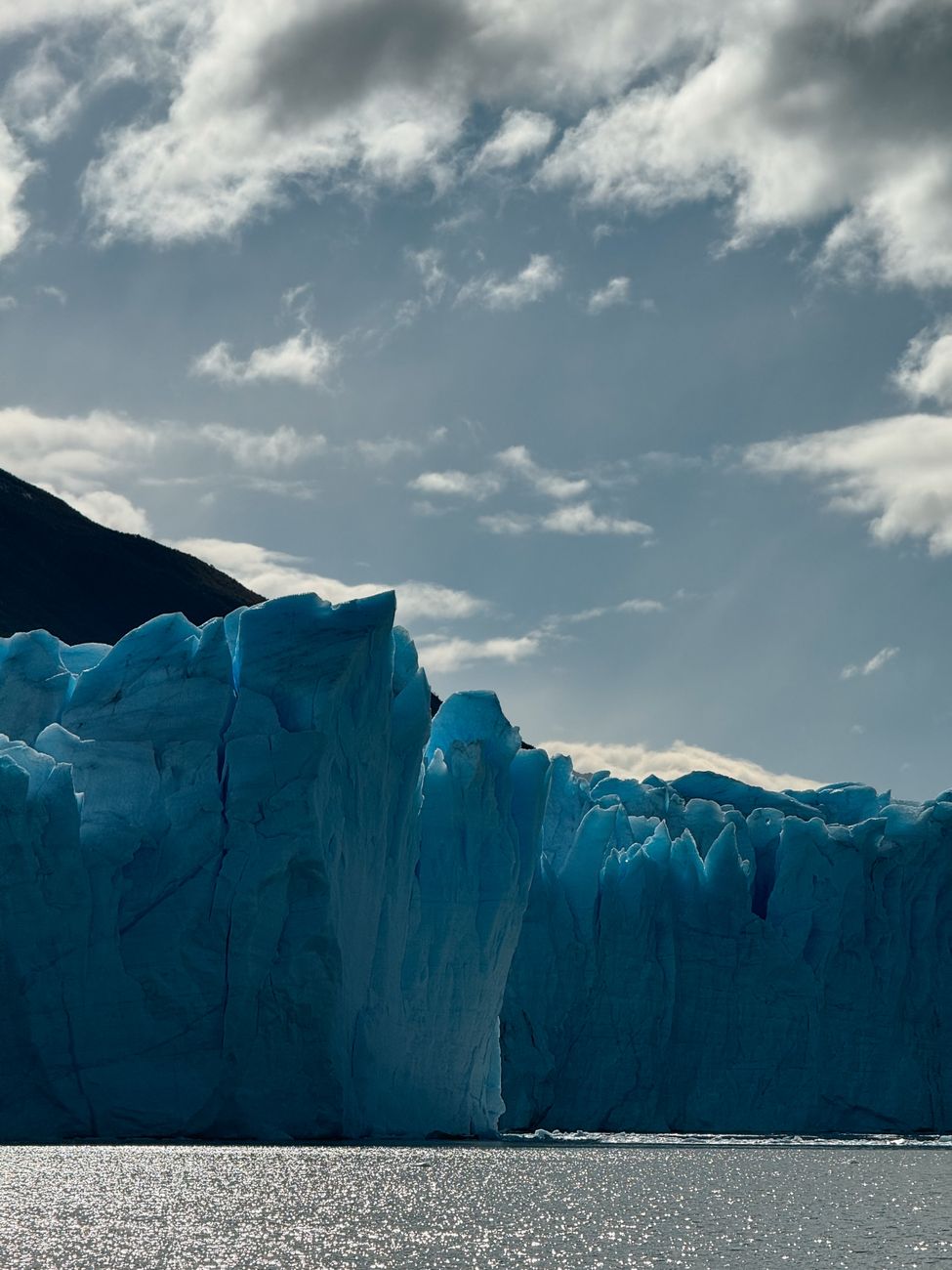
Standing before the face of Glacier Grey or Perito Moreno, one hears the cannon-shot cracking of deep glacial ice. As centuries-old pressure shifts within the ice mass, enormous calved bergs crash into the freezing waters, creating towering waves that roll toward the pebble shorelines. It is a vivid, living demonstration of geological time unfolding in seconds.
3. Estancias and Gaucho Traditions
Shelter in this unforgiving territory takes the form of remote sheep estancias, where corrugated iron roofs and thick timber beams hold back the gales. Here, Chilean gauchos with wool berets and leather chaps maintain a life bound to livestock, open fires of burning roble wood, and the bitter warmth of yerba mate passed from hand to hand.
4. The Rewilding of Southern Corridors
Recent decades have seen monumental conservation initiatives converting millions of acres of overgrazed ranch land into public national parks. Today, herds of guanacos once again roam the river valleys, shadowed by healthy populations of Patagonian pumas and Andean condors.